
Uptime and SLA
Service continuity and SLA: how an incident is handled
The Subscription Agreement does not commit to an uptime percentage (SLA) or a service credit. Here we describe the stages an outage should pass through and how planned maintenance will be announced. We publish no measured uptime percentage. See the system status page and the subscription agreement.

Incident process
- NoticeThe incident is detected or reported
- DiagnosisScope and cause are investigated
- FixService is restored
- Root cause reportNo published report yet
Live flowRoot cause report 4 / 4
Steps
- 1Notice
- 2Diagnosis
- 3Fix
- 4Root cause report
This is a process description; it is not a published incident history or a measured duration.
How planned maintenance is announced
The designed announcement flow has four steps. The place for announcements is the system status page; until a live monitoring source is connected, that page carries planned maintenance notes only.
- Step 1
Maintenance is planned
The window, the affected components and the expected duration are written down.
- Step 2Once a live source is connected
Announcement is published
The note appears on the system status page.
- Step 3
Maintenance window
Affected components are marked as under maintenance.
- Step 4Now
Completion notice
Status is updated when maintenance ends; the notice is renewed if it overruns.
Live flowCompletion notice 4 / 4
Steps
- 1Maintenance is planned
- 2Announcement is published
- 3Maintenance window
- 4Completion notice
Resilience and SLA scope
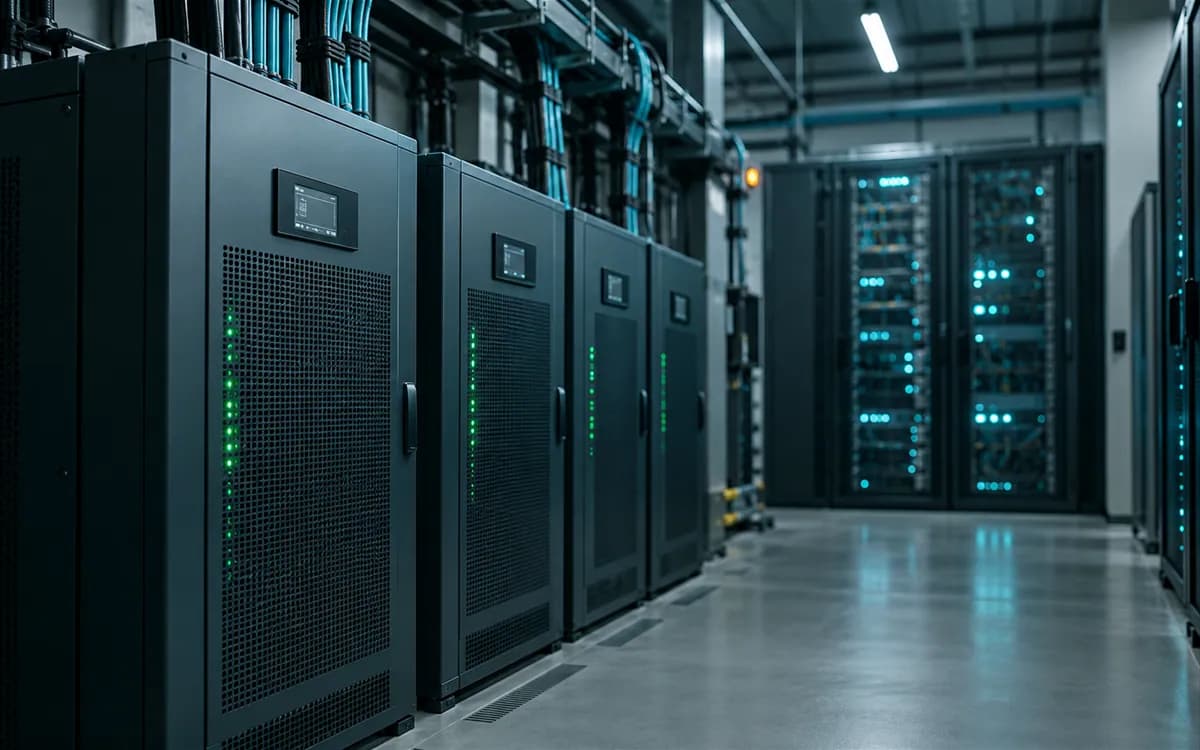
Power, cooling, network and hardware redundancy are run by the infrastructure provider. We have no written confirmation to publish, so this page states no redundancy level, disaster recovery target or region count.
What we do not have today
- A publicly available live monitoring dashboard
- A published incident history
- A measured uptime percentage